Understanding the Recording Process
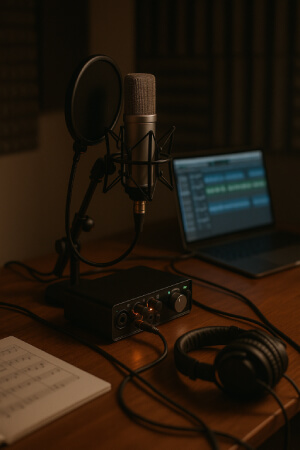
Capture is always about the faithful recreation of sound-a performance or a musical idea. This can be in a full professional studio, in a home setup, or on the road with portable gear.
The idea of capturing sound is about creating and not about being technically correct. The mood and feel of a track generated by the recordings are very much influenced by the way the instruments and the vocal recordings are collected, so the best knowledge on the recording process turns out to be more than just creative control.
Audio Basics
Sound gets captured into an audio signal: vibrations from microphones, instruments, and other sources are transformed into an electronic signal that gets recorded in a digital form on tape.
At present, digital recording dominates and uses software, known as digital audio workstations (DAWs), to record, edit, and manipulate sound. Hence, the most important issues to consider are the sample rate that will be used for recording, the bit depth, and individual gain structure that are pertaining to the sound quality. An understanding of these concepts is useful when developing clean, clear, and professional-sounding recordings.
Signal Flow
An audio signal path refers to the route followed by a signal when being recorded from source to documenting track. The usual signal flow is from instrument or microphone to preamps or audio interfaces and into the DAW for recording.
Home Recording Essentials
The rise of affordable technology has made home recording accessible to almost any musician. While professional studios remain valuable, home setups allow for flexibility, experimentation, and creative control.
A basic home recording setup includes a computer, audio interface, DAW software, microphones, headphones, and monitors. Beyond equipment, understanding acoustic treatment and recording techniques is crucial to achieving professional-sounding results.
Microphones and Placement
Given the instrument or voice that is recorded, the microphone varies. While ideal for picking up vocals and acoustic instruments, condenser microphones are not good for use during concerts as they can easily get damaged.
The optimum placement of each microphone, the starting point for the sound that the one is looking for, is vital. Stretching distances, selecting beauty angles, and relying on room acoustics combine to tote the tone the producer is after. Moving the microphone by even a centimeter could mean the difference between two alternatives, among which are clarity, warmth, and presence.
Acoustics and Room Treatment
Even a modest home space can be optimized for recording. Hard surfaces create reflections and unwanted resonance, which can muddy recordings. Acoustic panels, bass traps, and diffusers help control these issues.
For beginners, simple solutions like rugs, curtains, or temporary baffles can improve recording quality. Understanding the principles of acoustics allows musicians to make the most of any environment.
Monitoring and Headphones
Accurate monitoring is essential during recording. Studio monitors provide a flat frequency response to reveal details in recordings. Headphones are useful for tracking and preventing bleed in multi-instrument recordings.
Monitoring tools allow creators to make informed decisions about performance, microphone placement, and editing, reducing surprises during mixing.
Studio Recording: Professional Considerations
Professional studios offer specialized equipment, trained engineers, and acoustically optimized spaces. While the principles are similar to home recording, studios provide resources for higher-quality production and collaboration.
Working in a studio teaches discipline and workflow, exposing creators to best practices in recording, tracking, and session management.
Session Preparation
Proper preparation is key to a productive studio session. This involves a brief rehearsal of the parts, the organization of sounds and rhythm sections, and computing the perfect track order. This preparation can also include temporary demos, guide tracks, or even earlier/looser charts for recording.
Optimized time management as a result creates a wider range of choices creatively. Effective communication between one another is going to be maintained with both engineers and producers understanding what is envisaged perfectly and then accordingly working on it.
Tracking and Layering
Tracking involves recording individual instruments or vocals, often in separate takes. Layering tracks adds depth and complexity, allowing for precise control over each element in the mix.
Attention to timing, dynamics, and tone during tracking ensures that layers fit together naturally. Musicians who focus on consistency during tracking make mixing and post-production smoother.
Working with Engineers and Producers
Engineers and producers bring technical expertise and creative insight to the recording process. Collaborating with them requires mutual respect, clear communication, and openness to feedback.
Understanding the roles of these professionals helps new creators engage effectively, ensuring that the final recording reflects both artistic intent and high production standards.
Mixing Fundamentals
Mixing is the process of balancing and blending recorded tracks to create a cohesive song. It involves adjusting volume levels, panning, EQ, compression, reverb, and other effects.
A well-mixed track highlights important elements, maintains clarity, and supports the emotional impact of the music. Mixing is both a technical and creative process, requiring critical listening and iterative adjustments.
Levels and Panning
Balancing levels ensures that no instrument or vocal overwhelms the mix. Panning places sounds within the stereo field, creating space and separation.
Effective level control and panning contribute to clarity and dimension, helping listeners perceive each element of the music without fatigue or confusion.
Equalization and Frequency Management
Equalization (EQ) shapes the tonal balance of a track. Cutting or boosting specific frequencies can reduce muddiness, highlight important elements, and prevent clashes between instruments.
Frequency management is essential in multi-track mixes, allowing each instrument to occupy its own sonic space while maintaining overall cohesion.
Compression and Dynamics
Compression controls dynamic range, smoothing out peaks and enhancing consistency. Proper use of compression adds punch and clarity without making the music sound lifeless.
Dynamic control ensures that quieter parts are audible while preventing louder passages from overpowering the mix, creating a balanced and engaging listening experience.
Effects and Spatial Processing
Such effects as reverb, delay, chorus, and modulation almost seem to give a mix some depth, texture, and room to breathe, thus extending the emotional impact of the track, provided such tools are applied thoughtfully.
Spatial processing also involves stereo widening, panning automation, and creative sound placement. Overdoing effects can distract from the music, rather than enhance it.
Production Workflows
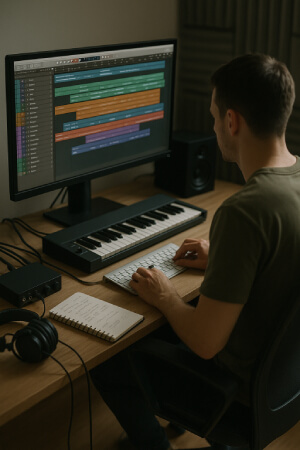
A systematic production workflow ensures efficiency and creativity. Planning sessions, organizing files, and maintaining consistent habits reduce technical obstacles and free mental space for artistic decisions.
Workflows vary among creators, but some core principles remain consistent across genres and tools.
Session Organization
Organizing tracks, labeling files clearly, and maintaining a consistent folder structure helps prevent confusion during production. Templates for common track types or DAW settings streamline the recording and mixing process.
Proper session management saves time, reduces errors, and supports a more focused creative approach.
Versioning and Backups
Backing up sessions regularly protects against data loss. Keeping multiple versions of mixes or arrangements allows experimentation without risk.
Versioning also helps track progress, revert changes, and learn from iterative decisions during production.
Collaboration and File Sharing
Modern production often involves remote collaboration. Sharing stems, project files, or reference mixes requires compatible formats and clear labeling.
Establishing communication protocols and expectations for revisions keeps collaborative workflows smooth and productive. Clear organization reduces misunderstandings and ensures that everyone contributes effectively.
Mastering and Finalizing Tracks
Mastering is the final stage of production, preparing a track for distribution. It ensures consistent volume, tonal balance, and compatibility across playback systems.
While some creators master their own work, professional mastering engineers bring specialized listening environments and expertise to achieve optimal results.
Loudness and EQ Balance
Mastering adjusts overall loudness while preserving dynamics. Equalization during mastering can correct frequency imbalances and enhance clarity.
Consistent tonal balance across tracks helps create an album or EP that feels cohesive, ensuring a professional listening experience.
Formats and Delivery
Mastering also involves preparing files for various formats, from streaming platforms to physical releases. Understanding the technical requirements of distribution channels ensures that music is heard as intended.
Attention to format, metadata, and file quality protects artistic integrity and improves the listener’s experience.
Essential Mindsets for New Creators

Beyond technical skills, successful recording and production require the right mindset. Patience, experimentation, and a willingness to learn are essential.
Mistakes are part of the process. Treating challenges as opportunities to improve helps new creators develop confidence and competence over time.
Critical Listening
Developing critical listening skills enables musicians to evaluate performances, mixes, and arrangements objectively. Listening to reference tracks, analyzing frequency balance, and noting dynamics improves judgment and decision-making.
Critical listening helps identify strengths and weaknesses, leading to better recordings and more effective production choices.
Creativity and Experimentation
Production is an artistic endeavor as much as a technical one. Experimenting with sounds, effects, and arrangements fosters originality and personal style.
While principles guide quality, creativity allows tracks to stand out. Combining technical knowledge with artistic exploration produces music that is both professional and expressive.
Consistency and Practice
Recording and production skills improve with practice. Consistent effort in experimenting, editing, mixing, and learning new techniques leads to better results over time.
Building habits, documenting processes, and seeking feedback reinforce growth, helping creators develop a reliable and professional workflow.
Preparing for Distribution and Release
Once a track is recorded and mixed, planning for release is essential. This includes choosing the right formats, creating metadata, and understanding distribution channels, from streaming platforms to physical media. Properly labeling files, embedding metadata, and ensuring consistent quality helps maintain professionalism and ensures listeners experience the music as intended. Even independent artists benefit from understanding release strategies, including timing, promotion, and audience engagement. Considering these elements early in the production process streamlines the final stages, allowing the music to reach audiences effectively and supporting a sustainable approach to creating and sharing music.
Building Skills for Long-Term Success
Recording and production are fundamental pieces of modern music creation. Mastering these basics - from home recording setups to studio time, the mixing and the workflow - will lay down the foundation for creative expression and professional enhancement.
Fresh creators usually make timely investments in technical skills, efficiency in their work processes, and criticism all brought about while generating high-quality music. By patiently honing their craft and learning from collaboration and exposure to new know-hows, these principles bring about a present and possibly fulfilling journey of ongoing and sustainable music production in any genre or technology.
Music Managers Band Together to Demand Better Streaming Royalties — “It Must Happen Now” https://t.co/Re4t2GLwh8 pic.twitter.com/5rk0xx5Mvn
— Music Industry News (@MusicBizLatest) November 24, 2020
NAMM, the largest nonprofit music trade organization, has pledged $50,000 to create the LA Wildfires Relief Fund for the recent fires in Los Angeles. Additional donations are welcomed as NAMM prepares for the 2025 NAMM Show this week. Here's the setlist.https://t.co/pqr6tp1Aa7
— Digital Music News (@digitalmusicnws) January 21, 2025