The Structure of the Music Industry

At its core, the music industry is made up of interconnected roles and organizations that facilitate the creation, promotion, and distribution of music. From artists and producers to managers and distributors, each part of the system plays a vital role in bringing music to audiences.
Understanding the structure helps artists navigate their careers strategically. By recognizing how the different components interact, musicians can identify opportunities, protect their interests, and make informed choices about collaborations, partnerships, and releases.
Record Labels
Record labels have traditionally been the backbone of the industry. They provide resources for recording, marketing, promotion, and distribution. While labels vary in size and focus, their primary goal is to develop artists and ensure music reaches audiences effectively.
Signing with a label can offer financial support, professional guidance, and access to industry networks. However, it also involves contractual obligations that affect ownership, revenue sharing, and creative control, making informed negotiation critical for artists.
Independent Artists and DIY Models
Many musicians today operate independently and take care of their releases, marketing, and distribution. With the increase of digital platforms and access to budget-friendly production tools, it is much easier to self-release music.
Independence allows artists more creative control and a higher share of the revenue. Meanwhile, they are also burdened with marketing and promotion responsibilities on top of administrative and copyright management tasks that a label usually takes care of. Understanding such trade-offs aids the artists in deciding on the model that will help them best achieve their goal.
Music Publishing and Song Rights
Publishing is central to the music industry, ensuring that songwriters and composers receive credit and compensation when their work is used. Music rights are typically divided into two main categories: composition rights and recording rights.
Composition rights relate to the underlying song - the lyrics and melody - while recording rights cover a specific recorded performance. Knowing the difference is essential for earning revenue, licensing music, and negotiating contracts.
Royalties and Licensing
Royalties are payments made to rights holders when their music is used commercially. This includes performance royalties (from radio, live performance, or streaming), mechanical royalties (from reproductions and downloads), and synchronization royalties (for use in TV, films, or ads).
Licensing music for various media allows creators to generate income while maintaining control over how their work is used. Registering with performance rights organizations (PROs) ensures royalties are tracked and distributed fairly.
Co-Writing and Publishing Deals
Collaborative songwriting is common, and co-writers share publishing rights according to their contribution. Understanding how splits work prevents disputes and ensures proper compensation.
Publishing deals can vary widely. Some offer full administrative support, collecting royalties on behalf of the songwriter, while others are more limited. Artists should understand the terms, obligations, and benefits of any agreement before signing.
Management and Representation
Managers and agents are essential for career development, providing guidance, business advice, and connections to opportunities. While artists focus on creativity, managers handle logistics, promotion, and strategy.
Having professional representation allows musicians to focus on their craft while navigating contracts, negotiations, and scheduling. Clear communication and mutual trust between artists and managers are key to a productive partnership.
Managers
A manager oversees the overall career trajectory of an artist, advising on releases, marketing, touring, and brand development. They act as a liaison with labels, publishers, and other industry professionals.
Managers typically work on commission, earning a percentage of the artist’s income. Understanding the scope of their responsibilities and negotiating fair terms ensures a balanced and beneficial relationship.
Agents and Booking Professionals
Agents handle live performance bookings, negotiating fees, securing venues, and coordinating logistics. They connect artists with promoters and tour opportunities.
While agents earn a commission, their role is crucial for expanding live performance opportunities. Working with skilled agents can increase exposure and revenue, particularly for touring musicians.
Revenue Streams in the Music Industry
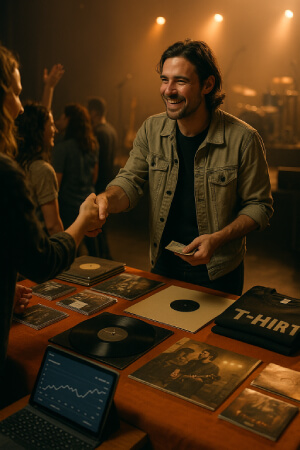
Musicians earn income from multiple sources, each with its own structures and considerations. Diversifying revenue streams helps artists sustain careers even when one area fluctuates.
Revenue comes from recorded music, live performances, merchandise, licensing, and royalties. Understanding each source allows musicians to plan strategically and maximize their earnings.
Recorded Music Sales and Streaming
Traditional album sales have been largely replaced by digital streaming. Streaming platforms provide global access but often pay small amounts per play. Combining streaming with downloads, physical releases, and special editions can improve revenue.
Artists who actively promote their releases, engage fans, and maintain a consistent output tend to maximize income from recorded music.
Live Performances and Touring
Touring and live shows remain significant revenue sources. Ticket sales, merchandise, and sponsorships contribute to income, while live performances also promote recorded music and expand fan bases.
Planning tours carefully, understanding venue contracts, and managing expenses are essential for profitable and sustainable touring.
Merchandising
Selling merchandise - such as apparel, accessories, or physical media - provides additional income and strengthens fan engagement. Merchandise strategies complement music releases and tours, helping artists diversify revenue streams.
Well-designed merchandise that resonates with fans can become a consistent and profitable component of a musician’s career.
Distribution and Promotion
Getting music to listeners requires effective distribution and marketing. Distribution determines where and how music is available, while promotion ensures it reaches the right audience.
Understanding these functions helps artists make informed choices about digital platforms, physical releases, and marketing campaigns.
Digital Distribution
One way for exposure to be obtained might be through digital distribution wherein music may be made available on streaming platforms, client stores, and similar platforms. The service includes formatting for the files and collecting necessary data as well as giving access to platforms when a flat fee, percentage instated, has been awarded. The following medium and legacy artists must jettison the 'traditional' music label as their means of global distribution. So what distributors need is serious attention to facts checked and timely music delivery.
Marketing and Publicity
Promotion is essential for visibility. Marketing strategies include social media engagement, press outreach, content creation, and playlist pitching. Publicity efforts help secure coverage in blogs, podcasts, and other media channels.
Consistency and creativity in promotion enhance audience connection and expand fan bases, supporting both recorded music and live performance revenue.
Legal Considerations
Legal knowledge protects artists and their work. Contracts, intellectual property rights, and agreements with collaborators influence ownership, income, and creative control.
Understanding legal obligations reduces risk, prevents disputes, and ensures musicians can focus on their craft rather than legal complications.
Contracts and Agreements
Contracts govern relationships with labels, managers, publishers, agents, and collaborators. Reading and negotiating terms carefully ensures fair compensation, ownership rights, and creative freedom.
Working with experienced legal counsel or advisors familiar with the music industry provides guidance and protection, helping artists make informed decisions.
Protecting Intellectual Property
Copyright protects original compositions and recordings. Registering works with appropriate organizations, monitoring usage, and enforcing rights prevents unauthorized use.
Understanding how copyrights, trademarks, and licensing interact allows artists to safeguard their creations while generating income from multiple avenues.
Emerging Trends and Opportunities

The music industry evolves with technology, audience behavior, and cultural trends. Understanding current shifts helps artists adapt and capitalize on opportunities without compromising long-term principles.
From streaming and social media to new licensing models and virtual performances, musicians benefit from staying informed while focusing on timeless industry fundamentals.
Digital Platforms and Social Media
Platforms like streaming services, social media, and video sharing have transformed how music reaches audiences. Artists can distribute music globally, interact directly with fans, and build communities around their work.
Consistency and authenticity on these platforms increase visibility and engagement, complementing traditional revenue streams and live performance opportunities.
Alternative Revenue Models
New opportunities, such as crowdfunding, patronage platforms, and brand partnerships, allow artists to fund projects and monetize engagement directly. These models diversify income and support independent creative control.
Exploring alternative revenue sources alongside traditional channels strengthens financial stability and opens avenues for experimentation.
Networking and Industry Relationships
Building strong relationships within the music industry is essential for growth and opportunity. Networking helps artists connect with collaborators, managers, producers, and other professionals who can support their careers. Attending industry events, conferences, workshops, and local shows provides opportunities to meet people, exchange ideas, and learn from experienced professionals. Cultivating genuine relationships, offering value, and maintaining consistent communication can open doors to partnerships, gigs, and mentorship. Networking is not just about contacts but about building a supportive community that understands and advocates for your creative vision, strengthening both artistic and professional development.
Career Planning and Strategic Growth
Long-term success in music requires thoughtful career planning. Setting clear goals, mapping milestones, and evaluating progress helps artists stay focused and make informed decisions. Career planning involves balancing creative output with business strategy, including release schedules, touring, marketing, and revenue diversification. Regularly assessing strengths, weaknesses, and market opportunities allows musicians to adapt to changes in the industry while maintaining their artistic identity. Strategic growth also means investing in skills, learning new tools, and staying informed about trends. A proactive, intentional approach empowers artists to develop sustainable careers and navigate the complex music industry with confidence.
Navigating the Music Industry with Knowledge
The music industry is a complex unit that intersects between creativity, commerce, and strategy. Musicians, with this knowledge of labels, publishing, management, distribution, and revenue flow, will be well-equipped to make better decisions, protect their music, and develop careers that will last long.
All artists, who are versed in creative sound-and in the same vein, in the structure and mechanisms of finance-specific to their field-are sure of the advantages of managing the obstacles that further reveal themselves before them and grabbing each instance of opportunity that comes by, and therefore pushing themselves more into the fore therefrom. The knowledge of roles, rights, and revenues not just guarantees integrity for artists as professionals but makes it possible for a musician to keep his or her focus unabatedly upon his or her strength, upon creation of a music that resonates with worldwide audiences.
Music Managers Band Together to Demand Better Streaming Royalties — “It Must Happen Now” https://t.co/Re4t2GLwh8 pic.twitter.com/5rk0xx5Mvn
— Music Industry News (@MusicBizLatest) November 24, 2020
NAMM, the largest nonprofit music trade organization, has pledged $50,000 to create the LA Wildfires Relief Fund for the recent fires in Los Angeles. Additional donations are welcomed as NAMM prepares for the 2025 NAMM Show this week. Here's the setlist.https://t.co/pqr6tp1Aa7
— Digital Music News (@digitalmusicnws) January 21, 2025