The Importance of Live Performance

Performing musicians have three reasons to engage in live music, which extend beyond the admiration this partnership has already shown. Musicians present performances to refine their craft, try out new songs, and interact with their fans on a personal level; each live experience has taught through lessons of timing, engaging a crowd, and adapting performances accordingly.
Building a Connection with the Audience
Well-containing a man’s capacity to express himself, most of the time he is able to express his energy with a sensuosity that is truly captivating towards his audience. Certain small actions, including heavily tentative and deft gestures, are often brought through eye contact and movement to enlivening immediacy of the audience.
Knowing your audience - its likes and expectations as well as something of what they are culturally and society-wise - allows a natural and highly and deeply connected performance for its artists. Behind a memorable showcase is often found a show that is quite deeply imprinted in our memory, an experience that can be compared to a highly charged emotional resonance for any of the actors.
Learning from Each Performance
Every performance provides opportunities for improvement. Recording shows, noting audience reactions, and reviewing technical setups helps musicians identify strengths and areas for growth.
By treating each performance as a learning experience, artists refine their craft, adapt to different venues, and become more versatile performers. Over time, these insights contribute to a more professional and confident stage presence.
Rehearsal Techniques and Preparation
Rehearsals are the fundamental component that is required for successful live performance. They ensure the musicians have technically prepared them, are synchronized with one anothe, and are comfortable with the ebb and flow of the show.
Preparation includes such diverse activities as individual practice, group rehearsal, and the run-through of whole sets. They serve as meeting points for both the aural shaper and the player. Effective rehearsal strategies have to balance the focus on technique with performance dynamics; this extra focus helps artists to bring performance accuracy together with energy on stage.
Individual Practice
Individual practice allows performers to master their parts, including technical challenges, transitions, and expressive details. Musicians should focus on timing, intonation, phrasing, and endurance to ensure consistency during live shows.
Regular practice also builds confidence, reduces mistakes, and prepares artists for improvisation or unexpected changes during performances.
Group Rehearsals
When performing with others, rehearsing as a group is critical. Musicians coordinate tempo, dynamics, and cues, ensuring cohesive and polished performances.
Communication during rehearsals fosters teamwork. Discussing arrangements, transitions, and audience interaction strategies helps everyone understand their role and enhances overall performance quality.
Full Run-Throughs
Running through an entire set under realistic conditions simulates the actual performance environment. These practice sessions reveal potential pacing issues, technical challenges, or endurance concerns.
Equipment Essentials
The right equipment and understanding how to use it are key for live performance. Equipment considerations include instruments, amplification, microphones, monitors, and cables, as well as technical backups for emergencies.
Even small details, such as cable organization or tuning instruments, can impact performance quality and reliability.
Instruments and Gear
Carrying reliable, well-kept instruments or gear provides confidence on the stage. Musicians should familiarize themselves with each piece of equipment, comprising any maintenance routines and troubleshooting.
Taking various spares in hand-spare strings, cables, or pedals-can prevent minor problems on the stage from ruining a concert. Proper preparation only relieves stress and allows for better concentration on making music.
Sound and Monitoring
Proper sound setup ensures the audience hears a balanced mix and performers can monitor their own playing. Stage monitors, in-ear monitors, and PA systems help musicians stay in sync and adjust performance dynamics.
Sound checks before the show allow performers and engineers to fine-tune levels, EQ, and effects. Clear communication with sound technicians is essential for achieving optimal results.
Backline and Technical Support
Larger shows may involve additional technical support, such as backline equipment, lighting, and stage crew. Musicians should understand how these elements affect performance and coordinate closely with crew members.
Building good relationships with technicians ensures smooth setup, quick problem resolution, and consistent show quality, allowing performers to focus on their craft.
Stage Preparation and Logistics
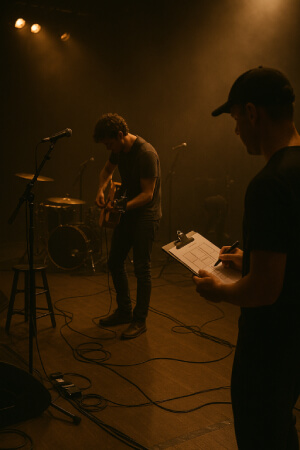
Performing live requires careful planning beyond musical preparation. Stage setup, logistics, and show flow all contribute to a professional presentation.
Proper preparation reduces stress, prevents mistakes, and creates a safe and comfortable environment for performers.
Stage Layout and Setup
Understanding stage dimensions and positioning instruments, monitors, and equipment efficiently improves workflow and safety. Clear organization prevents tripping hazards and ensures that each performer has space to move freely.
Setting up in advance and rehearsing placement helps reduce setup time and minimizes distractions during the performance.
Timing and Cue Management
Timing is crucial for live shows. Musicians must coordinate entrances, exits, and transitions between songs. Using cues from band members, stage managers, or a conductor ensures consistency.
Planning transitions, lighting changes, and visual effects enhances audience experience and keeps the show flowing smoothly.
Contingency Planning
Live performance involves unpredictability. Technical failures, weather, or other unexpected events can occur. Having backup instruments, extra cables, or an emergency plan helps performers adapt without compromising the show.
Being prepared for contingencies allows musicians to maintain composure, ensuring a professional presentation under any circumstances.
Touring and Travel Considerations
Touring is an extension of live performance that introduces additional challenges and opportunities. Successful touring requires planning, organization, and stamina.
Musicians must balance performance quality with travel logistics, equipment management, and personal wellbeing to maintain consistency across multiple shows.
Scheduling and Routing
Efficient scheduling reduces travel stress and maximizes performance opportunities. Planning routes, show order, and travel time minimizes fatigue and ensures punctuality.
Careful routing also reduces transportation costs and allows for rest periods, supporting physical and mental health during tours.
Transportation and Equipment Logistics
Transporting instruments and equipment safely is critical. Proper cases, packing techniques, and secure transport methods prevent damage.
Coordinating with venues for load-in and load-out procedures ensures smooth transitions and reduces setup delays. Musicians who understand these logistics can focus more on performance than technical complications.
Health and Endurance
Touring can be physically and mentally demanding. Maintaining a healthy routine, including proper sleep, nutrition, and warm-ups, helps sustain performance quality.
Vocalists, instrumentalists, and crew members benefit from exercises, stretches, and routines that prevent injury and fatigue. Consistent self-care supports long-term music career longevity.
Showmanship and Stage Presence
Performing live is as much about presentation as it is about playing music. Engaging stage presence captures audience attention, reinforces the music’s emotional impact, and makes the performance memorable.
Artists develop stage presence through practice, observation, and feedback. Confidence, energy, and authenticity are key elements that resonate with audiences.
Movement and Interaction
Physical movement, gestures, and interaction with band members or the audience enhance the performance. Stage blocking and positioning should feel natural while supporting musical delivery.
Interacting with the audience through call-and-response, storytelling, or gestures creates connection and leaves a lasting impression.
Energy Management
Performers must manage energy levels throughout the show. Pacing songs, coordinating dynamics, and balancing high-energy and slower moments maintain audience engagement.
Understanding personal stamina and performance limits helps artists deliver consistent energy from start to finish, ensuring each show meets professional standards.
Technical and Post-Performance Considerations
After a performance, reflection and technical review help improve future shows. Recording live performances, reviewing audience feedback, and noting technical successes or failures are valuable for growth.
Post-performance routines also include equipment care, file management, and documentation for future reference.
Recording Live Shows
Capturing live performances allows artists to evaluate sound, timing, and stage presence. These recordings can serve as learning tools, promotional material, or reference for future shows.
Analyzing recordings helps identify areas for improvement, informing rehearsal priorities and technical adjustments for subsequent performances.
Feedback and Evaluation
Gathering feedback from audiences, peers, or crew members supports continuous improvement. Constructive evaluation highlights strengths and uncovers opportunities for refinement.
Documenting lessons learned from each performance builds institutional knowledge, enabling more polished and professional shows over time.
Collaboration and Teamwork
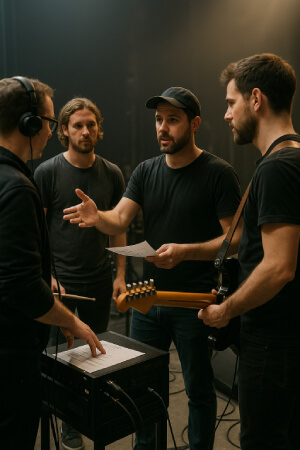
Live performance is a collaborative effort. Musicians, crew, managers, and technicians all contribute to a successful show. Building strong relationships fosters trust, efficiency, and creative synergy.
Open communication, mutual respect, and shared understanding of goals help ensure smooth rehearsals, performances, and tours.
Communication with Crew and Bandmates
Clear communication with stage crew, sound engineers, and fellow performers prevents misunderstandings and delays. Using signals, cues, and pre-show meetings helps coordinate efforts.
Strong teamwork ensures that everyone knows responsibilities and can react efficiently to unexpected issues, enhancing overall performance quality.
Leadership and Role Clarity
Understanding individual roles within the team streamlines operations. Leaders, whether band leaders or stage managers, guide rehearsals, maintain schedules, and coordinate problem-solving.
Role clarity allows each member to focus on their responsibilities, creating a cohesive and professional performance environment.
Engaging with Your Audience Online
In today’s music landscape, live performance extends beyond the stage. Engaging with audiences online before, during, and after shows builds connection and expands reach. Live streams, social media updates, and behind-the-scenes content allow fans to feel involved even when they cannot attend in person. Promoting upcoming performances and sharing highlights from past shows keeps audiences invested and encourages attendance. Maintaining consistent, authentic online interaction complements live performances, helping musicians cultivate a loyal fan base, strengthen their brand, and create opportunities for collaboration, sponsorships, or future tour engagements.
Delivering Memorable Live Shows
In order to give a live performance, the artist or artists need to "prepare, practice and develop mastery for a while before the actual presentation." Musicians may need quite a long time in order to make arrangements, understand equipment, setting, and the audience, while the stage presence and attitude toward one's own performance must also be developed.
On the other hand, those involved in the concert tours are confronted with various challenges requiring good organizational skills as well as physical and emotional strength. Preparation and communication with the other band members, as well as a well-debriefed follow-up of their self or other band performances will provide them with adequate growth and sense for a future career longevity. Music on stage is both a practice and an art. A good performance leaves a lasting impression on one's career and provides artist-audience bonding.
Music Managers Band Together to Demand Better Streaming Royalties — “It Must Happen Now” https://t.co/Re4t2GLwh8 pic.twitter.com/5rk0xx5Mvn
— Music Industry News (@MusicBizLatest) November 24, 2020
NAMM, the largest nonprofit music trade organization, has pledged $50,000 to create the LA Wildfires Relief Fund for the recent fires in Los Angeles. Additional donations are welcomed as NAMM prepares for the 2025 NAMM Show this week. Here's the setlist.https://t.co/pqr6tp1Aa7
— Digital Music News (@digitalmusicnws) January 21, 2025